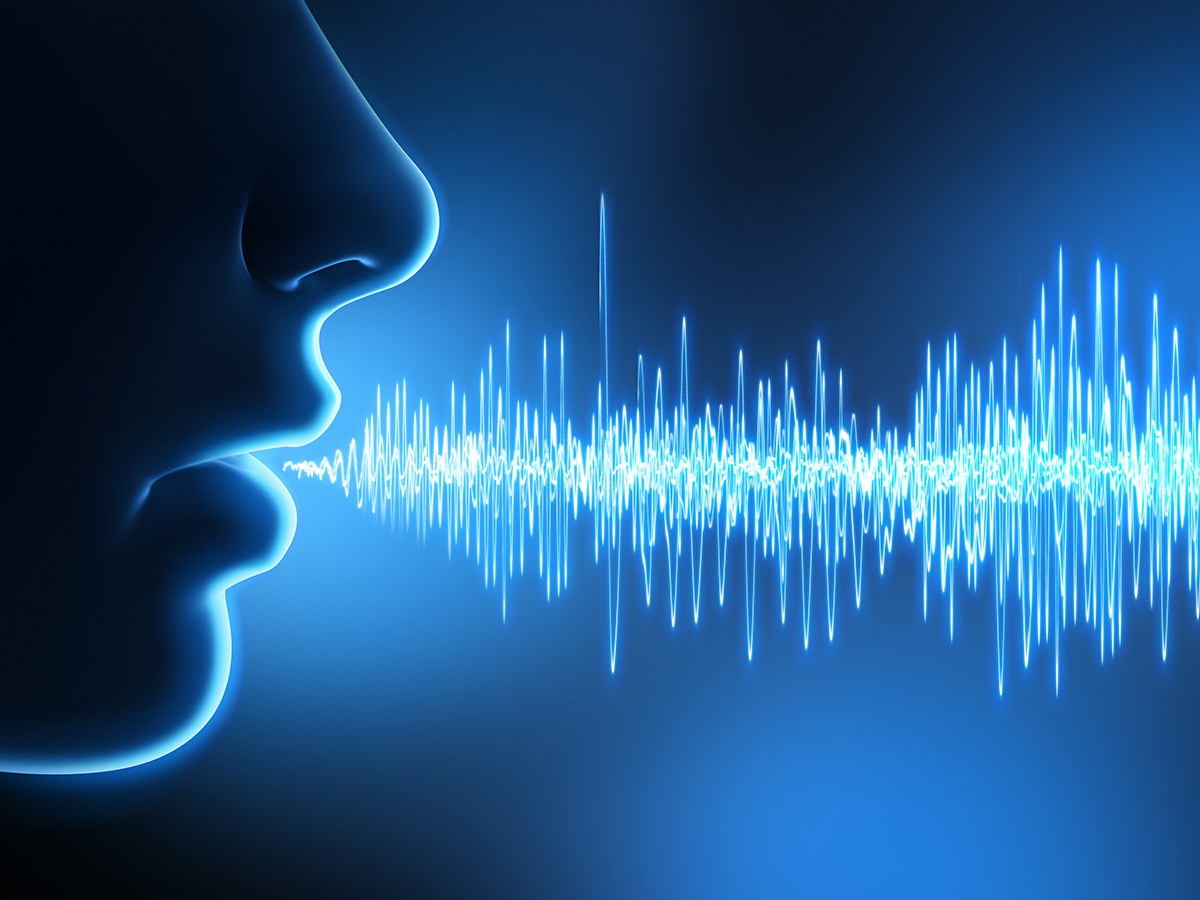
The Psychology of Sound: How Our Brain Interprets Audio
The psychology of sound delves into how our brain processes and interprets audio stimuli, revealing a fascinating intersection between auditory experiences and emotional responses. Our brains are wired to analyze sounds for various cues, making it essential for survival. For instance, the ability to recognize a predator's footfalls or the rustling of leaves can trigger an instinctual fight-or-flight response. This ability to decode sounds not only helps us navigate danger but also enhances our social interactions, as tone and pitch can convey emotions that words alone may not.
Moreover, different sounds can trigger distinct psychological reactions based on their characteristics, such as frequency and volume. Research has shown that high-frequency sounds, like a baby’s cry, can evoke a protective emotional response, while low-frequency sounds often elicit a sense of calm or unease. Understanding these auditory perceptions can have profound implications in various fields, from marketing—where brands utilize soundscapes to influence consumer behavior—to therapy, where sound is employed as a tool for healing and relaxation. Thus, exploring the psychology of sound reveals not only how we perceive our environment but also how we connect with one another through the invisible threads of audio.
Counter-Strike is a popular first-person shooter game that pits terrorists against counter-terrorists in various objective-based game modes. Players can customize their loadouts and strategize with teammates to secure victories. For those looking to enhance their gaming experience, check out the Top 10 homepod mini accessories that can elevate your setup. The game's competitive scene has led to a thriving eSports community with tournaments held worldwide.
Common Misconceptions About Listening: Are You Missing the Message?
Listening is an essential communication skill, yet there are several common misconceptions that can hinder our ability to truly hear and understand others. One prevalent belief is that listening is merely about being silent while the other person speaks. In reality, effective listening requires active engagement. This means not only refraining from interrupting but also providing feedback, nodding, and asking clarifying questions. Many people misunderstand listening as a passive activity, when in truth, it is an active process that demands concentration and involvement.
Another myth is that good listeners agree with everything that is said. However, true listening goes beyond mere agreement; it involves understanding different perspectives. Some believe that dissenting opinions should be avoided to maintain harmony in conversations. This misconception can lead to superficial discussions where the richness of diverse ideas is lost. In fact, challenging viewpoints respectfully can foster deeper understanding and productive dialogue. By letting go of these misconceptions about listening, we open ourselves up to more meaningful conversations and connections.
What Your Headphones Say About You: Understanding Audio Choices
Your choice of headphones can reveal a lot about your personality and preferences. For instance, those who opt for high-end, noise-canceling headphones often prioritize quality and immersion in their audio experience. This choice suggests a discerning ear and a desire for a distraction-free environment, whether for work or relaxation. On the other hand, individuals who favor trendy, wireless earbuds may be more focused on lifestyle and convenience. They value portability and often keep up with the latest tech trends, reflecting a modern, fast-paced lifestyle.
Moreover, the kind of music you listen to can also influence your headphone selection. DJ headphones are popular among music enthusiasts who enjoy high energy and vibrant beats, indicating a social and outgoing nature. In contrast, those who gravitate towards audiophile-grade headphones often seek a deeper connection with their music, highlighting a more introspective and reflective personality. Ultimately, your audio choices can serve as a silent statement of your identity, values, and lifestyle preferences.