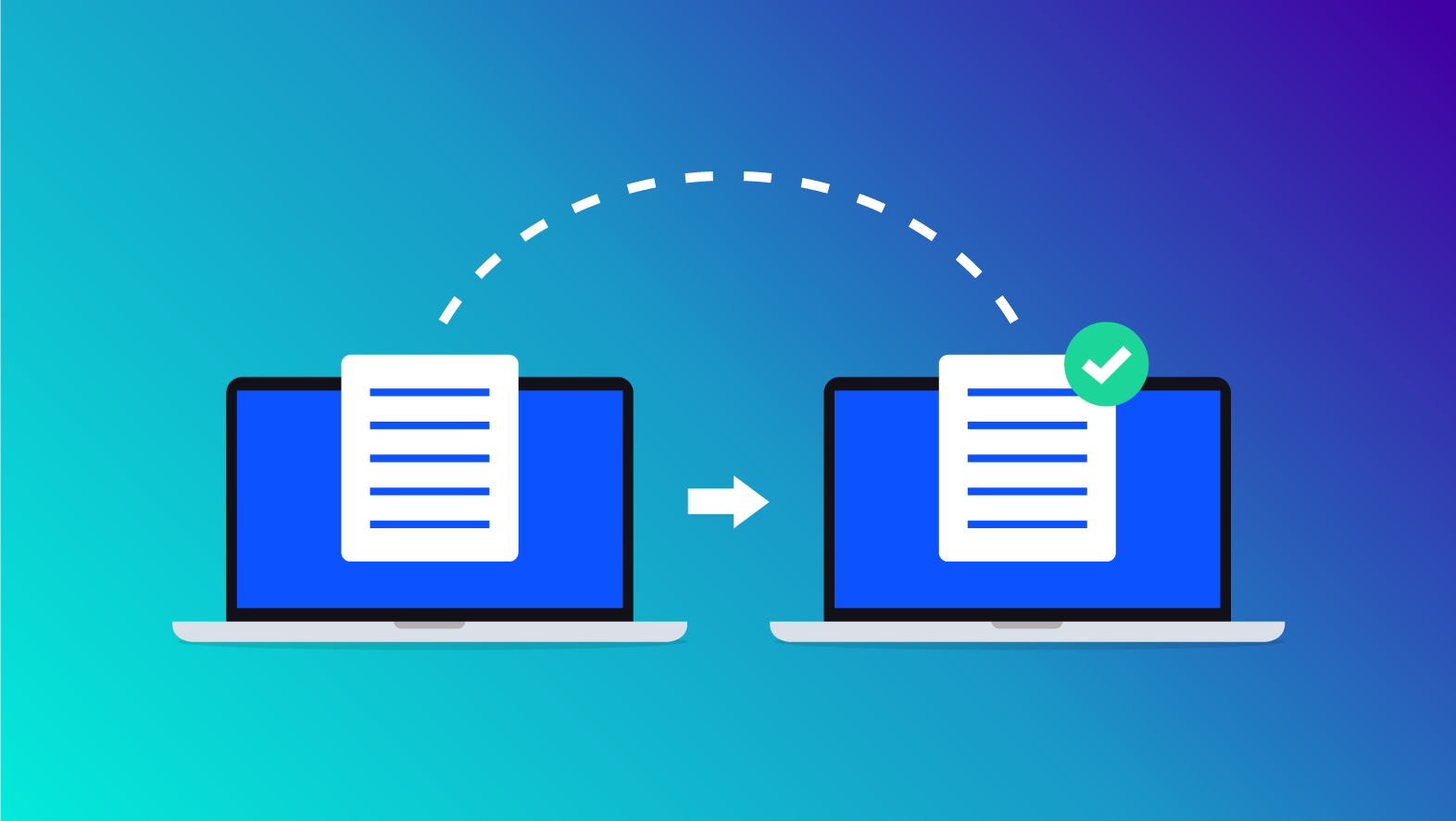
Understanding the Basics of Data Transfer: How to Send Your Data Safely and Efficiently
Understanding the basics of data transfer is essential for anyone looking to send information securely and efficiently. With the digital landscape continuously evolving, it’s crucial to be aware of various methods used in data transmission. From traditional file sharing via hard drives to modern cloud-based solutions, the techniques you choose will influence not only the speed of data transfer but also its safety. Here are some key factors to consider:
- Transmission Method: Decide whether you will use wired or wireless options, as this can impact both speed and security.
- Encryption: Always encrypt your data before sending it to ensure that potentially sensitive information is protected.
- Protocols: Utilize reliable transfer protocols, such as SFTP or HTTPS, to secure your data during transmission.
In addition to understanding different data transfer methods, it is also essential to adopt best practices to enhance the efficiency of your transfers. For instance, compressing files before sending them can significantly reduce transfer times and bandwidth usage. Furthermore, utilizing backup solutions ensures that your data remains safe throughout the transfer process. Remember to be mindful of the recipient's capabilities as well to avoid any compatibility issues. By prioritizing these practices, you will not only enhance efficiency but also ensure a smoother experience while managing your data transfer needs.
Counter-Strike is a highly popular first-person shooter game that has captivated millions of players worldwide. The game emphasizes teamwork and strategy, with players divided into two teams: Terrorists and Counter-Terrorists. If you're looking for gaming peripherals to enhance your experience, check out the Top 10 USB-C hubs for MacBook to ensure you have the best setup for playing.
Top 5 Best Practices for Ensuring a Seamless Data Transfer Experience
In today's data-driven world, ensuring a seamless data transfer experience is crucial for businesses and individuals alike. The top 5 best practices for achieving this goal start with planning and preparation. Before initiating any data transfer, it is vital to assess the volume and sensitivity of the data. Consider implementing encryption methods to protect your data during transit, especially when dealing with confidential information. Additionally, establishing a clear timeline and setting thresholds for acceptable transfer speeds can help in monitoring the process effectively.
Next, utilize reliable data transfer tools that best fit your needs. Whether it's cloud-based solutions like Google Drive or more traditional methods such as FTP servers, choosing the right platform can enhance your experience significantly. Furthermore, conducting regular backup processes ensures that you won’t lose vital data during transfers. Lastly, encourage feedback from users involved in the transfer, as their insights may reveal potential pitfalls and improvements for future data transfers. Implementing these best practices will undoubtedly result in a robust and seamless data transfer experience.
What You Need to Know About Data Transfer Protocols: Choosing the Right Method for Your Needs
Data transfer protocols are fundamental to the effective communication between computers and devices over a network. Understanding the different types of protocols is crucial for anyone looking to optimize their data transfer processes. Common protocols include FTP (File Transfer Protocol), HTTP (Hypertext Transfer Protocol), and SFTP (SSH File Transfer Protocol). Each of these has its own unique features and security measures, making it essential to choose the right one based on your specific requirements. For instance, if you prioritize security, SFTP is often the preferred option due to its encrypted data transfer capabilities.
When selecting a data transfer protocol, consider the following factors:
- Speed: Some protocols offer faster transfer rates than others.
- Security: Evaluate how sensitive the data is and what level of security is necessary.
- Compatibility: Ensure the protocol is compatible with your existing systems and software.
- Ease of Use: Look for protocols that provide user-friendly interfaces and straightforward setup processes.