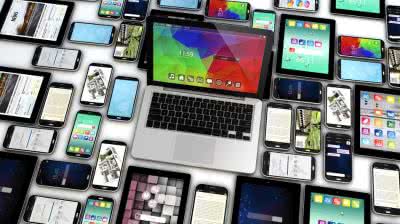
The Hidden World of Everyday Tech: How Common Devices Can Keep Your Identity Secret
In today's digital landscape, our everyday tech devices hold a wealth of information that can significantly impact our privacy and identity security. Smartphones, for instance, are not just communication tools; they are powerful mini-computers, equipped with GPS, cameras, and numerous apps that track our daily activities. Many users are unaware that these devices can be configured to mask our personal information, allowing us to engage online while keeping our identity safe. For instance, by managing app permissions and utilizing VPNs, we can limit data exposure and hide our digital footprint from prying eyes.
Moreover, even common household items like smart speakers and home assistants can double as tools for maintaining anonymity. By taking advantage of their privacy settings, users can prevent these devices from storing or sharing their voice data. Understanding how to utilize these features can be game-changing, especially in an era where our online interactions are constantly monitored. In conclusion, integrating privacy-focused tech practices into our daily routines not only shields our identity but also empowers us to navigate the digital world with confidence.
Counter-Strike is a popular tactical first-person shooter game where players compete in teams, typically as terrorists or counter-terrorists. The game's fast-paced action and strategic gameplay have made it a staple in both casual and competitive gaming arenas. Players often enhance their experience with various peripherals, which you can explore in our Top 10 Mobile Accessories list to improve performance and enjoyment while playing.
Are Your Gadgets Keeping Secrets? Exploring Devices That Can Disguise Your Online Presence
In today's digital age, privacy is more crucial than ever. Many of the gadgets we use daily, from smartphones to smart speakers, have the potential to disguise your online presence. These devices often come equipped with advanced features that can help maintain your anonymity while navigating the web. For instance, certain VPN-enabled routers can mask your IP address, providing a layer of protection against prying eyes. Additionally, privacy-focused browsers and extensions can further enhance your online security by blocking trackers and ads that could compromise your personal information.
However, the question remains: Are you aware of how your devices can compromise your privacy? Features such as location tracking and user profiling can inadvertently expose your personal data. To better protect yourself, consider utilizing smart gadgets designed with privacy in mind. Devices like the privacy screen protector and end-to-end encrypted messaging apps not only keep your information hidden but also enhance your digital security. Embracing these technologies can ensure that your online presence remains discreet, allowing you to browse the web with peace of mind.
From Smartphones to Smart Home: Which Everyday Devices Are Designed for Disguise?
In today's rapidly evolving technological landscape, the line between functionality and aesthetics is increasingly blurred. Many everyday devices, from smartphones to smart home products, are designed to blend seamlessly into our surroundings, often disguising their true capabilities. For instance, smart speakers can resemble traditional audio equipment or even decorative items, allowing them to fit into any room without drawing attention to their advanced features. This disguise approach not only enhances the ambiance of our homes but also encourages users to incorporate more smart technology into their daily lives.
Moreover, the trend of designing for discretion extends beyond mere functionality. Take, for example, smart light bulbs that mimic standard bulbs while offering customizable lighting options and energy efficiency. These devices demonstrate how modern innovation prioritizes both visual integration and user convenience. As homes evolve into interconnected hubs of technology, the ability of devices to maintain a disguised appearance will continue to be a pivotal factor in consumer choice, driving the demand for products that are both functional and aesthetically pleasing.