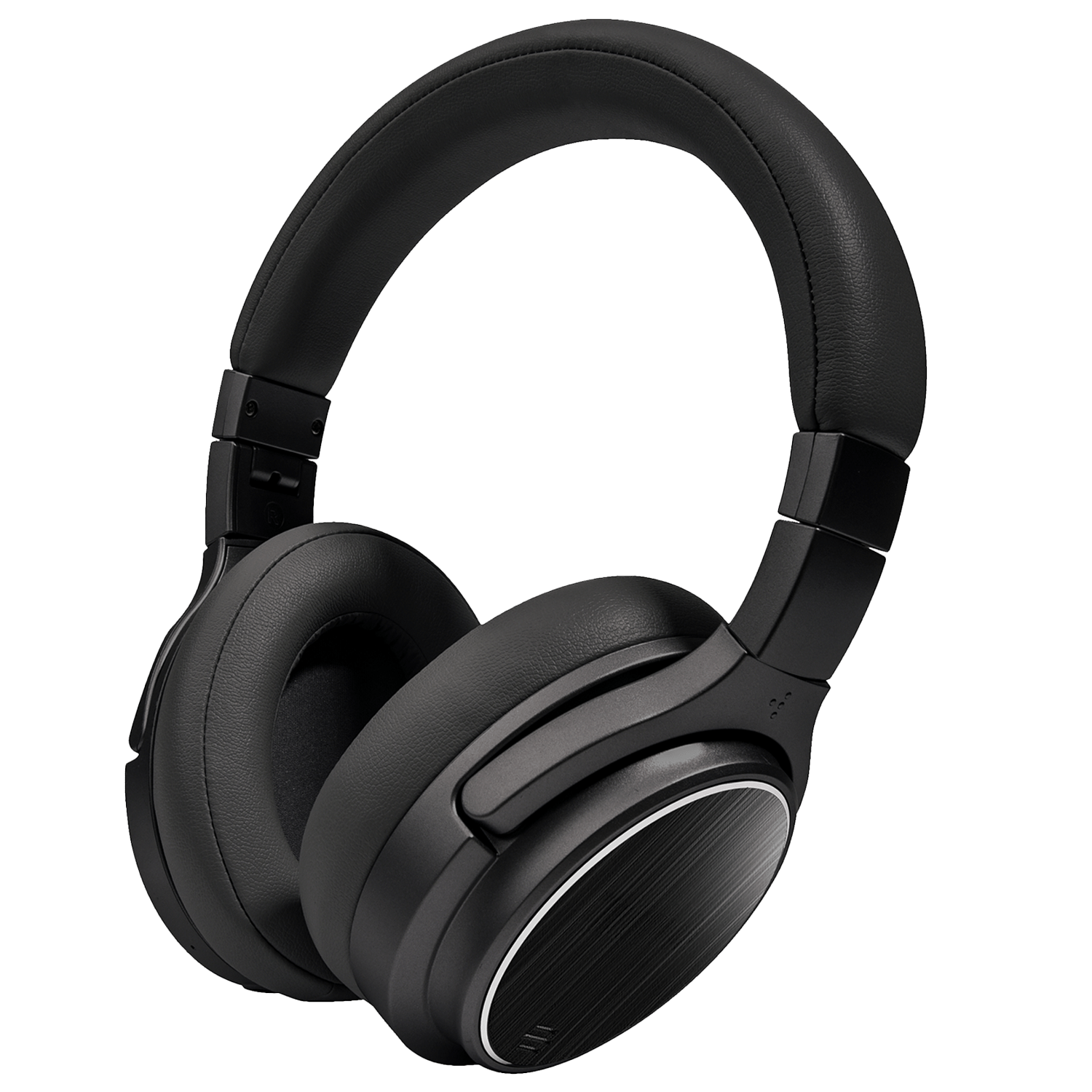
The Psychology of Sound: How Headphones Enhance Our Listening Experience
The psychology of sound plays a significant role in how we perceive audio experiences, and headphones are a critical factor in enhancing this perception. By isolating sounds, headphones allow listeners to immerse themselves in music, podcasts, or audiobooks without external distractions. This isolation is not just about blocking out noise; it creates a personal auditory environment where emotional nuances can be felt more deeply. According to research, sound can evoke powerful emotions, and the right pair of headphones can amplify these feelings, making every note and every word resonate more profoundly.
Moreover, the design and technology behind headphones contribute to the overall listening experience. Features such as noise-cancellation and high-fidelity sound reproduction are designed to cater to our psychological needs for clarity and immersion. For instance, when wearing noise-cancelling headphones, users often report a significant reduction in stress levels, mainly because they can escape the chaotic sounds of their surroundings. This therapeutic effect demonstrates how our choice of audio devices can impact not only our listening experience but also our mental well-being, highlighting the importance of sound in our daily lives.
Counter-Strike is a highly popular first-person shooter game series that has captivated gamers since its initial release in 1999. Players compete in teams, assuming the roles of either terrorists or counter-terrorists, and must complete objectives such as planting or defusing bombs and rescuing hostages. For gamers who engage in extensive online play, having the right equipment is essential, including audio gear for clear communication; check out the Top 10 Earbuds for Zoom Calls to find the best options. The game's competitive nature and skill-based mechanics have made it a staple in esports, with numerous tournaments held worldwide.
Decoding Sound Quality: What Makes Headphones Worth the Investment?
When evaluating sound quality, several key factors come into play that can significantly influence your listening experience. One of the primary considerations is the driver size, which directly impacts the depth and richness of sound, allowing listeners to experience a wider range of frequencies. Larger drivers typically produce better bass response, while smaller drivers may excel in high frequencies. Additionally, the frequency response of headphones, which measures the range of sound they can reproduce, is crucial; a wider range means more detail in audio playback.
Another aspect to consider is the build quality and comfort of the headphones. High-quality materials not only enhance durability but also provide a more enjoyable listening experience through better noise isolation. Furthermore, the type of headphones—be it over-ear, on-ear, or in-ear—can significantly affect sound quality perception due to how they interact with the ear and seal against external noise. Investing in a well-constructed pair of headphones will often yield a superior audio experience, justifying the investment.
Are Headphones Hurting Our Hearing? The Science Behind Safe Listening Habits
The rise of personal audio devices has made headphones an essential part of our daily lives, but the question remains: are headphones hurting our hearing? According to research, prolonged exposure to high volume levels can lead to permanent hearing loss. The National Institute on Deafness and Other Communication Disorders (NIDCD) suggests using the 60/60 rule: listen at no more than 60% of the maximum volume for no longer than 60 minutes at a time. Regular breaks are crucial in preserving auditory health. Even with noise-cancelling technology, users should remain vigilant about their volume levels to prevent potential damage.
Moreover, it's not just the volume that matters, but also the type of headphones being used. In-ear options can pose a higher risk since they sit directly in the ear canal, amplifying sounds closer to the eardrum. This makes safety a priority when choosing your audio gear. Experts recommend opting for over-ear headphones, which can help reduce volume exposure by not directly channeling sound into the ear canal. By being aware of our listening habits and choosing the right equipment, we can enjoy our favorite music while actively protecting our hearing.